Within
negative reactions to the current fashion ebook, excel seems more intense than the fear of the opponents of this means is that eventually kill the book, killing first the traditional order (the paper book), ends in denaturing irreversibly the concept is now understood book, the main culprit being the self-publishing and the danger it poses to the industry.
In Open Your Books, know that it will not, and here we show it.
There is a mistake many observers, and that has to do with the comparison of the publishing industry with the music industry in the last decade, the advent of digital formats (MP3 damn) managed to destabilize a very powerful industry. The RIAA statistics show that sales of music in physical format considerably lower (about 30%, vinyl apart) year after year, and worse, while sales in other formats (digital video) are growing, overall fall. With this bad news in hand, many in the publishing industry, and primarily publishers and booksellers, see new technologies as a threat whose development must be prevented at all costs.
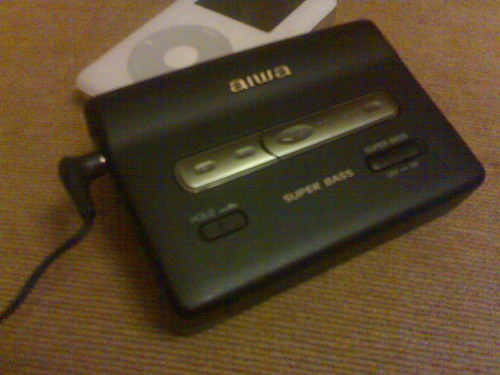
However, few realize an obvious detail: while there is almost no difference between canned music on physical media and digital media, however, there is much difference between a physical book and a book digital. As much as the screens eInk achieve mimic the role, I can not compare my digital reading experience with my reading experience on paper. In contrast, Back In Black sounds exactly like my iPod today than it was 15 years ago in my personal, one Aiwa Super Bass that was very similar to this .
A book is not a photograph, but it works like I think
that to make a more accurate comparison, we must bring the book industry in the photographic industry, in recent years have seen digital cameras (electronic book readers), which have increased the volume of photos (of books) circulation. However, in spite of retaining free gigabytes of data in digital format on their computers, people are still paying to print your photos (to buy books of paper.)
And the good news? If we use statistics photographic industry, the photo prints have been multiplied by 10 between 2004 and 2010. And while most of the prints are made by users at home, the proportion of impressions made by a photographer retail increases year after year. In conclusion, the arrival of a new technology has managed to stimulate a sector of activity, and even create new businesses (for example, printing services via the Internet to be withdrawn at kiosks).